
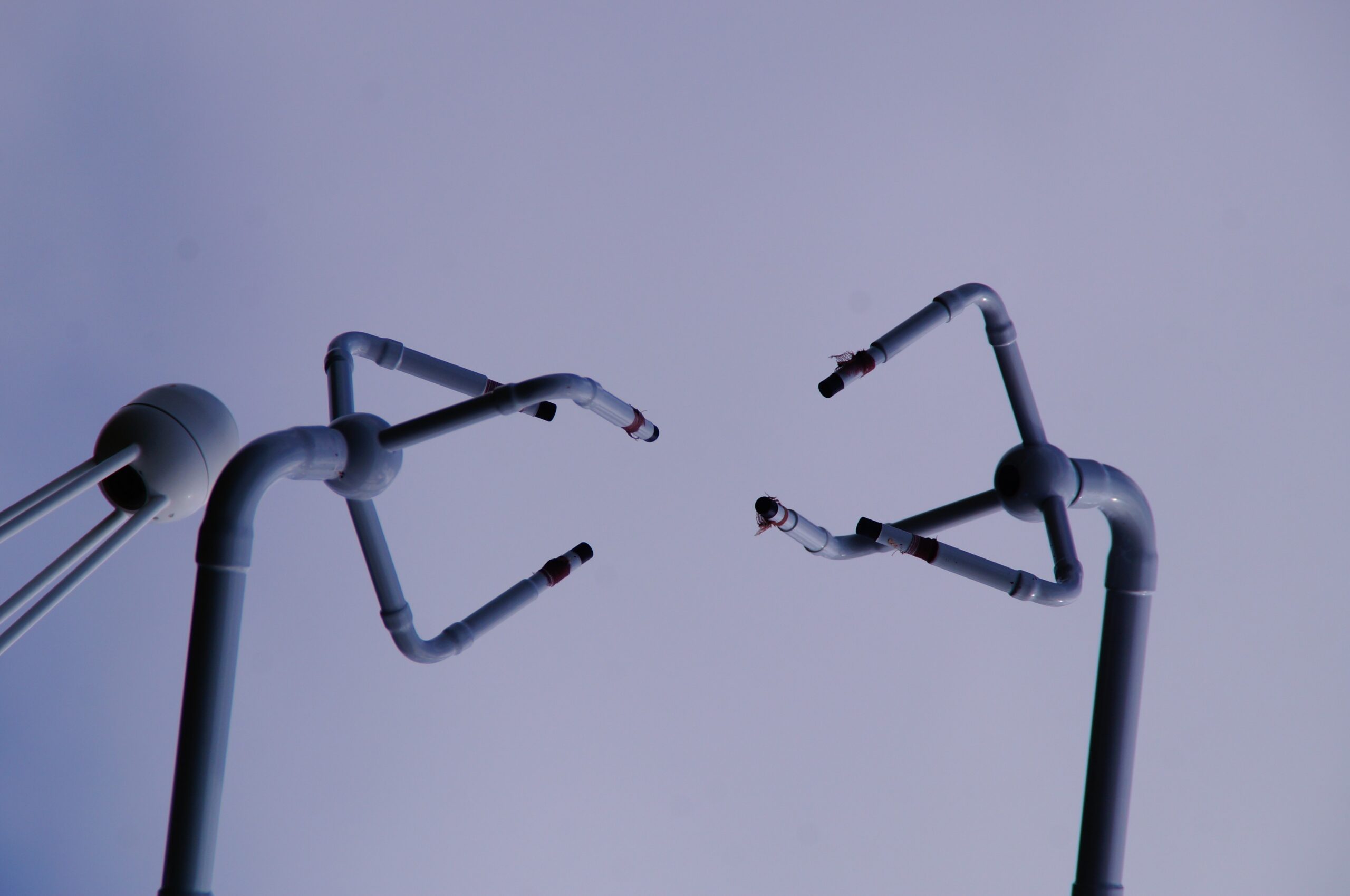
While everyone else is looking for the first robins to return, flux scientists are hunting for that first beautiful, negative CO2 signal. Spring is almost here: the month of March is when the air is “chaotic”, wind is spicy, and carbon is finally—finally—deciding to stay put. But before ecosystems take their “First Breath” of the year, we have to deal with the aftermath of winter. Winter isn’t just cold; it’s dirty! Getting tower infrastructure ready now ensures we don’t miss the critical transition from winter dormancy to spring uptake. It’s time for “Spring Cleaning” which is significantly less fun than tidying a closet. Grab your preventive maintenance checklists (see https://ameriflux.lbl.gov/tech/technical-resources/#protocol for examples), your wipes, and enough ethanol to make a chemist nervous, and head out to your field site.
Before the pollen hits the fan, give your field site a once-over for winter damage, fallen branches, and the inevitable “renovations” by local wildlife.
- The IRGA scrub: Clean those windows. And no, your spit and a sleeve won’t cut it. Winter grime is a cocktail of salt, ash, and mystery dust. Use the good stuff, refresh your chemicals, and perform a calibration check.
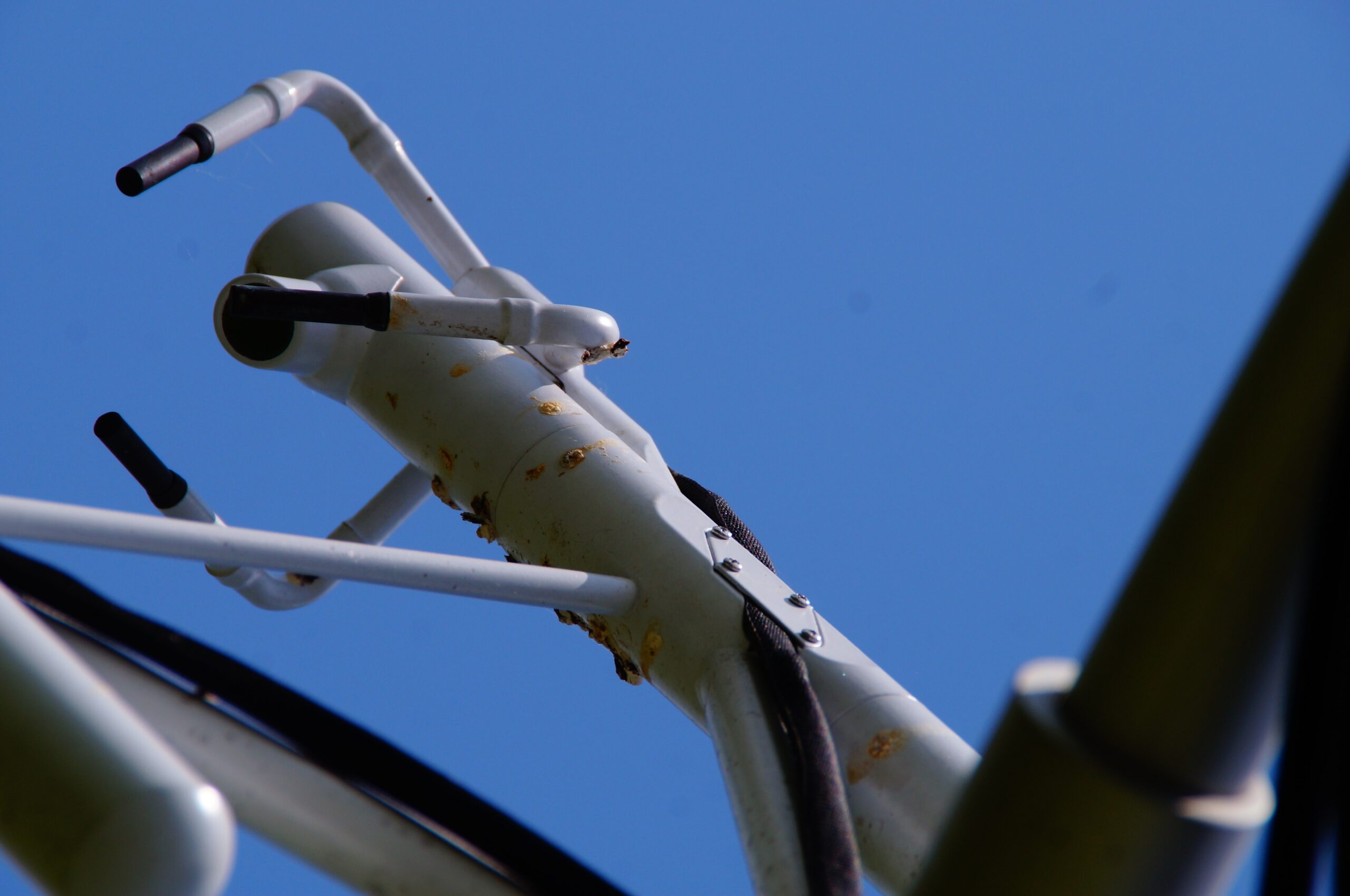
- Sonic Anemometers: Inspect the pressure transducers. You’re looking for trapped twigs, missing wicks, bird “gifts,” and potential nests. Also, make sure the sonic is still leveled and pointing the right direction.
- The Battery Health Check: Check battery voltage. If voltage is lower than your morale after a week of rain, replace it. Scrub the solar panels (sunlight is food!). Look for “critter chews” – sensor cables are a delicacy for local rodents. Check your gaskets unless you want your enclosures to become high-tech terrariums.
- The Datalogger Audit: Check your datalogger internal battery and available storage. Is your code older than your car? Update it before it decides to retire. Check every sensor connected to your datalogger. Check if “frost heave” has spat your underground sensors back out like a bad habit.
Pro-Tip: If your site is in a high-pollen zone, you’re basically living in a yellow fog for the next couple weeks. Consider increasing the frequency of your visit to your field site—your sensors will thank you, even if your sinuses don’t.
No Comments
Be the first to start a conversation